
Practical actions you can take immediately to protect your team, reduce fatigue, and avoid avoidable downtime during extreme heat
At Dowell Solutions, we see the same pattern every summer.
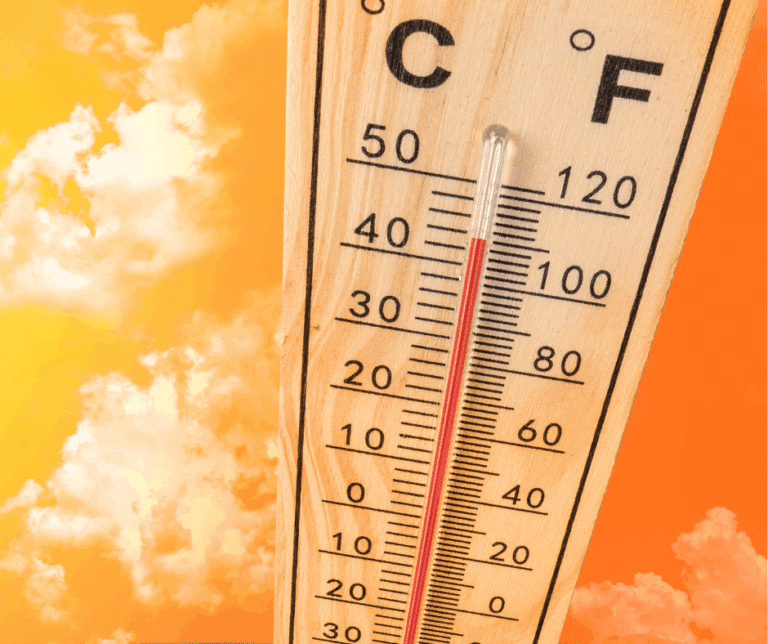
Extreme heat isn’t just uncomfortable. It affects concentration, judgement, fatigue, morale, injury risk, and how well people recover once temperatures drop. And yet, many workplaces don’t change how work is done until it’s already too late.
The workplaces that cope best are not the ones that push through.
They are the ones that prepare early and deliberately adjust expectations, workloads, and leadership behaviours before people are already struggling.
Why visible leadership matters
Over the years, I’ve seen plenty of heat management plans on paper. What actually makes the difference is what managers do on the ground.
I’ve personally seen a manager turn up during extreme heat with ice blocks for all of their team.
Yes, it helped cool people down physically. However the impact went far beyond that.
Staff could immediately see that the manager:
Understood how uncomfortable the conditions were
Acknowledged that the heat was genuinely hard to work in
Was willing to respond in a practical, human way, rather than just pointing to a policy
That single action lifted the manager’s credibility and strengthened trust.
More importantly, it created unspoken permission. Without a word being said, people felt able to:
Take a break when they needed it
Slow their pace without guilt
Cool down properly
Look after themselves without fear of judgement
This is why managing extreme heat isn’t just about controls or checklists. It’s about what leaders model on the floor.
What actually makes the biggest difference
If you only focus on a few things during a heatwave, focus on these first.
1. Change work expectations early
This is the most effective control, and the one most often missed.
When temperatures climb, productivity expectations must change. If they don’t, people will quietly compensate by cutting corners or pushing through fatigue.
Practical steps can include:
Reducing task complexity and pace
Pausing work that requires high concentration, fine motor control, or time pressure
Stripping tasks back to “safe minimum work”
Saying out loud that lower output is expected and acceptable
If this message isn’t stated clearly, risk increases.
2. Activate a heatwave operating mode
Extreme heat requires different rules. We need to treat it like any other high-risk operating condition.
A heatwave operating mode may include:
Slower pace of work
Modified duties
Extra supervision and check-ins
Pausing non-essential tasks
Providing clear direction removes uncertainty and gives supervisors confidence to act early rather than hesitating or second-guessing themselves.
Start the day together with a heatwave briefing
The actions below support the decisions above. On their own, they are not enough, however together they make a real difference.
3. Reduce exposure by changing where and how work happens
Reducing heat exposure is always more effective than trying to manage heat stress once it’s already occurring.
Where possible:
Reduce or postpone non-urgent travel
Combine site visits
Use phone or online options
Limit driving to early morning periods
Driving is part of work, and heat-affected driving is a real and often overlooked risk.
Practical controls that support safer work in extreme heat
The actions below support the decisions above. On their own, they are not enough, but together they make a real difference
Suspend fire-risk tasks during extreme heat
On very hot days, some tasks significantly increase fire ignition risk.
Consider postponing activities such as:
Slashing or mowing
Outdoor welding or grinding
Friction-based cutting
Driving vehicles over dry grass
On Total Fire Ban or Extreme Fire Danger days, these activities should not proceed unless absolutely necessary and supported by additional controls.
This isn’t just a WHS issue. It’s a community safety issue and a reputational risk.
Reduce radiant heat in sheds and work areas
If your workplace relies on evaporative cooling, it’s important to understand that on days above 40°C and upwards, like the 46°C the Riverina has forecasted. This alone will not be enough, and additional measures will be needed to manage heat exposure.
Practical options may include:
Roof sprinklers to cool metal roofs and reduce heat radiating downwards
Temporary reflective roof coverings or shade structures
Internal radiant heat shields over fixed workstations
Important considerations:
Use intermittent misting, not constant water flow
Monitor humidity so evaporative cooling remains effective
Address drainage and electrical safety
These measures reduce heat load, but they do not make extreme heat safe on their own. Work expectations still need to change.
Provide genuine cooling spaces
Breaks only work if people can actually cool down.
Effective cooling spaces include:
Fans or air-conditioning
Seating
No work discussions or admin tasks. If people are still working or checking emails, cooling isn’t occurring.
Use practical personal cooling aids where suitable
Cooling aids can help manage heat strain, particularly for physically demanding work.
Options may include:
Cooling vests for high-load tasks
Neck coolers for outdoor or low-movement work
Mist spray fans in dry, well-ventilated areas
Small, belt-worn personal cooling fans that circulate air under shirts or workwear to reduce heat build-up and assist in bringing down the body’s core temperature
These supports should never be used to justify unsafe workloads.
Make hydration and active cooling visible and routine
During extreme heat, hydration is about more than just water. Replacing electrolytes lost through sweating supports energy levels, concentration, and recovery.
In very hot conditions, people can be drinking regularly and still feel flat, foggy, or fatigued. That’s often a sign that fluids are being replaced, but electrolytes are not.
Good practice during heatwaves includes:
Hydralyte or electrolyte drinks readily available on site
Encouraging staff to start and finish the day with a Hydralyte
Cold drinks accessible throughout the shift
Ice blocks available during the day, not just at morning tea
Supervisors actively encouraging hydration and cooling, not just assuming it’s happening
Ice blocks are not a treat. They are a legitimate heat control that provides rapid cooling and supports recovery, particularly during prolonged hot periods.
When managers make hydration and cooling visible and routine, it reinforces that managing heat is a shared responsibility, not something workers are expected to manage quietly on their own.
Support behaviour, not just physical comfort
Be aware that heat affects mood, patience, and judgement. Therefor Managers should:
Watch for irritability, mistakes, or slowing
Encourage buddy monitoring for high-heat tasks
Make it clear workers do not need permission to stop or cool down if they feel unwell
Manage vehicles and end-of-day recovery
Vehicles can be one of the hottest environments of the day.
Practical steps include:
Parking in shade where possible
Ventilating vehicles before driving
Allowing time to cool down before driving home
Providing cold drinks before staff leave
Heat fatigue is cumulative and often shows up after the heatwave ends.
Plan for the days after the heatwave
Once temperatures drop, don’t expect an immediate bounce-back. You will need to think about and plan for:
Ongoing fatigue
Higher sick leave
Increased injury risk
Slower ramp-up of work
If you don’t slow down during the heatwave, you will slow down afterwards anyway, just with more fatigue, more leave, and more risk.
Final message for managers
Extreme heat is not a test of resilience..It is a test of leadership.
What you do before and during the heatwave will shape how your team copes, recovers, and stays safe.
Visible, practical action makes the biggest difference!

ABOUT THE Author - Kylie Dowell
Kylie Dowell is a seasoned WHS consultant, trainer, and safety advocate with over 25 years of experience helping Australian businesses create safer, compliant workplaces.
Through her partnership with TEAMS, an accredited Registered Training Organisation, Kylie delivers a wide range of training up to Advanced Diploma level, empowering businesses with the knowledge and skills to manage safety effectively.
As an approved trainer for Health and Safety Representative (HSR) courses by three Safety Regulators, Kylie has guided countless organisations in building stronger safety cultures and fostering healthier work environments.
Specialising in practical and effective safety solutions, she works closely with small and medium-sized businesses to simplify complex WHS requirements, making safety approachable and achievable.
When she’s not delivering high-quality training or conducting ISO 45001-certified audits, Kylie enjoys collaborating with her clients to design tailored workshops and strategies that suit their unique needs.
Ready to make safety simpler? Get in touch with Kylie today for personalised support.